Summer 2026
Wynton Marsalis: A Conversation with the Jazz Giant
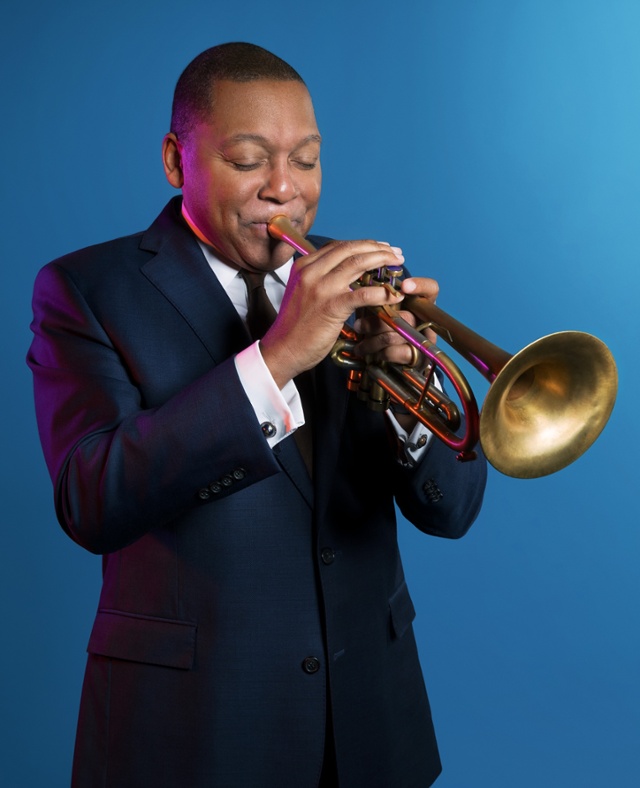
Wynton Marsalis, trumpeter, composer, educator, and artistic director of Jazz at Lincoln Center, has spent four decades at the forefront of American music. Ahead of his appearance at Festival Napa Valley’s Arts for All Gala, he spoke with Crescendo about mentorship, democracy, and the enduring power of jazz.
Read this article in flipbook view
You grew up in New Orleans in a household where music was a way of life. When did you realize music was your calling?
When I was 12. My father was a musician, but he struggled a lot. I would go see him play, and there were never a lot of people at his gigs. But his belief in the music is what made me want to play. I felt that if he will keep playing for four or five people, there must be something to this.
You've worked with many jazz giants. What lessons from your early mentors still guide you most today?
Find yourself and be yourself. My great mentor ‘Sweets’ Edison, who played in Count Basie's band and on all of Sinatra's records, was known for the depth of his soul and his wit. The first time I went on the road, I was 20 and nervous, so I called him for advice. He said, “Tip everybody everywhere you go. Anybody who touches a bag. Anybody who picks up something in a hotel. Anybody who works with you in any context. These are working people. You live and die by your sense of hospitality.” I was expecting him to give me advice about music. But his advice covered everything.
You’ve often described jazz as “the perfect metaphor for democracy.” How has your understanding of that idea evolved over time?
You have the opportunity to participate, if you're willing to do what it takes. If you don't have enough people willing to fight for equality, you get what you get. You can whine about it, or you can get out and make change. Jazz is the same way. A person can show up on a bandstand with a bass amp and nobody else will be heard. A saxophone player can show up at a gig and play 400 choruses on the song, and that's 30 minutes of one person playing. So, like democracy, you're always in danger of two people eating the entire chicken.
Through Jazz at Lincoln Center, you've built an institution devoted to both performance and education. What have you learned about how to inspire young musicians?
Model the behavior you want to see. I want you to practice — I need to practice. I want you to respect your teachers — I need to respect those teachers. I want you to have good manners — I need to have good manners.
You've announced that you'll be stepping down from your leadership role at Jazz at Lincoln Center after four decades. As you look back, what do you most hope endures from what you built?
I hope that the momentum of the pursuit of integrity endures.
Looking ahead, what gives you the greatest sense of optimism about the future of American music?
The young musicians I work with. They work hard, they're dedicated, and they're serious. They’re fantastic.
What do you think jazz reveals about human nature?
The need to govern ourselves and make choices for the betterment of everybody. Improvisation teaches respect for one’s own creativity — but swing demands that we find common objectives, all the time.
Your work spans jazz, classical, and large-ensemble leadership. Do you experience these as separate traditions, or as different expressions of a single musical language?
Everything is an expression of a single thing: humanity.