Summer 2026
Band of Brothers Time for Three Collaborates
with Composer Michael Thurber
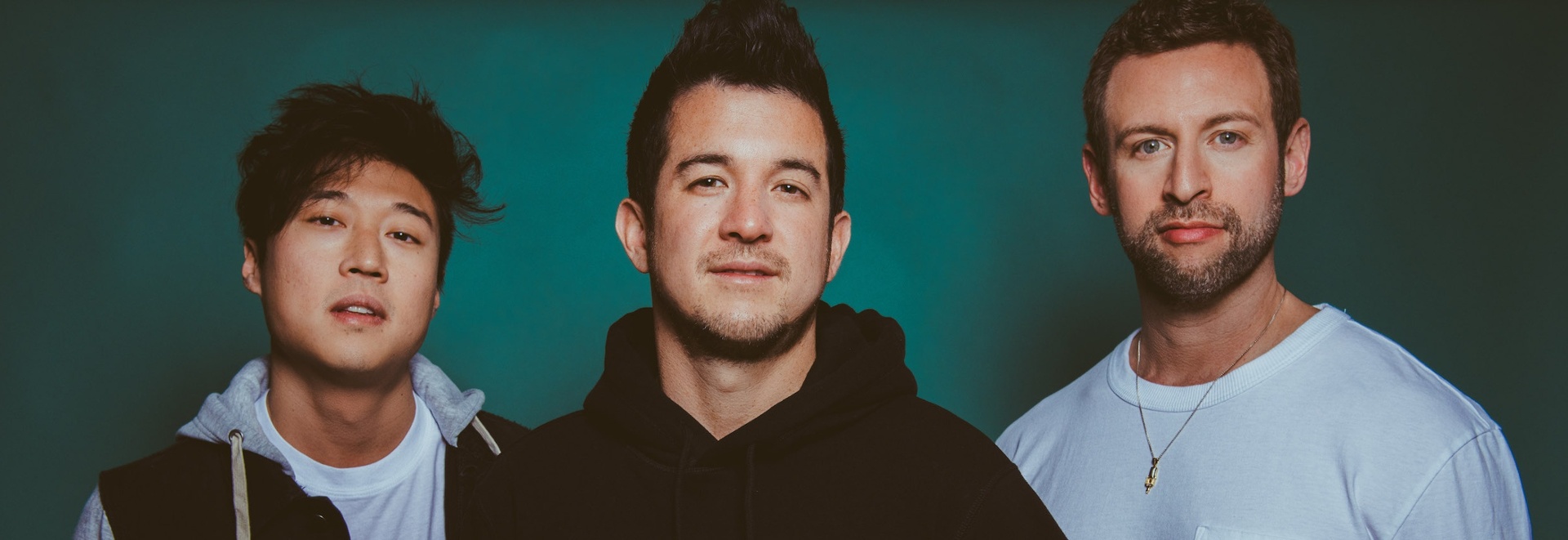
By Claudia Bauer
Read this article in flipbook view
On stage, Time for Three is an electrifying meeting of the minds. The trio — Nicolas “Nick” Kendall (violin, vocals), Ranaan Meyer (double bass, vocals), and Charles Yang (violin, vocals) — leap across genres together, seamlessly performing everything from contemporary classical and jazz to mashups of hip hop, blues, and Beatles covers. Their unique alchemy of virtuosity and free-spirited innovation has earned them a Grammy Award for Best Classical Instrumental Solo, an Emmy Award–winning PBS special, and international stardom.
Collaboration is key to making their artistry seem effortless. “We’re brothers,” says Yang, who joined “the band,” as he calls it, in 2016, replacing founding violinist Zachary DePue. “We work as a unit on stage, and how we get there is very collaborative. What makes us so special is that we have three different outlooks.”
“We work as a unit on stage, and how we get there is very collaborative. What makes us so special is that we have three different outlooks.”
Like all siblings, they navigate their share of discord. “We’re on the road together all the time, so there’s bound to be some band drama,” Yang says with a laugh. “And we’re all individually so passionate about the music. Some of our ideas can clash, but we find the right outcome.”
This July, Time for Three returns to Festival Napa Valley for the world premiere of a concerto with full orchestra by composer Michael Thurber, commissioned by the Festival. Yang describes Thurber as another brother in the Time for Three family. Friends since high school, Yang and Thurber attended Juilliard together and stayed close as their career paths diverged. Thurber went on to become the bassist for Jon Batiste and Stay Human on The Late Show with Stephen Colbert and earned a 2025 Tony nomination for his orchestrations for the hit Broadway musical Just in Time, while Yang’s own musical journey led him to Time for Three.
“Mike has collaborated with all three of us in different ways,” Yang says. “He knows my voice really well, and he also plays bass and knows how Ranaan plays the bass. Mike knows what he wants, he knows the colors he can work with, and we know that he’ll deliver the kind of sounds that are in our heads. We speak the same language.”
However, he adds, “even if the composer has us in mind when writing, we like to be part of the creative process.” So Thurber started his work by brainstorming with the band and finessed it with their feedback. The result is another wildly perfect collaboration. “It’s not classical, it’s not blues, jazz, any of it. It’s all of our DNA, put together to create the sound world of Time for Three.”
Uytengsu Family Opening Night
Friday, July 10, 2026 at 6:30pm
Festival Napa Valley Stage at Charles Krug