Summer 2026
Q&A with Renée Fleming
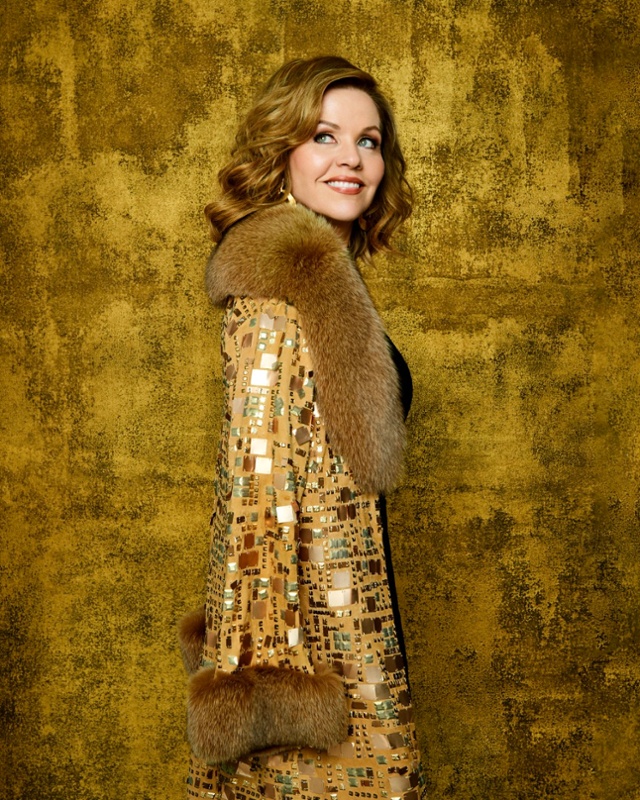
Renée Fleming – Grammy Award-winning soprano, World Health Organization Goodwill Ambassador for Arts and Health, and editor of Music and Mind: Harnessing the Arts for Health and Wellness – is one of today's most influential voices connecting the arts and human well-being. This summer, she returns to Festival Napa Valley to perform Voice of Nature: The Anthropocene and deliver the keynote address at the Festival's Music & Wellness Summit. She spoke with Crescendo about neuroarts, nature, and what she hopes audiences take with them long after the final note.
Read this article in flipbook view
"I hope everyone hears something they love and leaves with a deeper understanding of how music, art, and the natural beauty of places like Napa Valley contribute to lifelong well-being" ~ Renée Fleming
You're returning to Festival Napa Valley this summer for our 20th Anniversary. What keeps bringing you back?
The Napa Valley is just an idyllic place to be. Add live music to the lovely setting, and I can't imagine anyone who wouldn't want to come here. And as a performer, it always helps to encounter such a knowledgeable, enthusiastic audience.
Your Festival appearances bring together music, nature, and health. How do these threads connect in your life right now?
The new field of neuroarts connects them all. Advances in brain imaging have illuminated the science behind something we have all experienced -- how being in nature, making or listening to music, and engaging with the arts help us flourish. My foundation funds awards for early-career researchers and artists collaborating in this area, and we're developing more substantial grants for scientists focused on music's benefits.
In Music and Mind, you write that art can invoke "bliss, a heart-filling satiation, and the gift of being fully present." How do you experience that sense of presence today -- and has the role of the arts in your life changed over time?
All musicians are probably aware of the powerful effects that music and art can have, and now we have the science to back it up. I take those findings to heart in my daily life -- making a conscious effort to engage in some creative or artistic activity or to get outdoors to enjoy the natural environment.
You've spoken openly about stage fright and somatic pain. How have those experiences shaped your relationship with your voice and your own well-being?
Somatic pain before high-pressure performances led me to explore the mind-body connection. Once I understood what was happening, I was able to manage and eventually overcome it. I later learned that scientists were using music in brain research. Dr. Francis Collins, then Director of the National Institutes of Health, once told me that music activates virtually every part of the brain, making it a powerful tool for studying the most complex structure in the known universe.
Recent research suggests that singing can ease chronic pain, support heart health, and help with postpartum depression. Has this shifted how you see your role as an artist?
It's made me an advocate for wider awareness of these benefits and further research. There are arts-based interventions now -- many using the brain's plasticity -- applied to a range of health conditions. These are non-invasive, non-pharmaceutical, and cost-effective. We need to see them widely available and covered by insurance.
You've described rediscovering nature during the pandemic, just as climate concerns felt more urgent. How did that lead to Voice of Nature?
I found comfort in long walks and the outdoors helped me maintain my emotional equilibrium. This connection to nature made me think about the many poets and composers who found reflections of human experience and inspiration in the environment.
Voice of Nature places 19th-century art songs alongside works by living composers addressing today's environmental realities. What guided your choices in pairing these voices?
I wanted the album to recall the love of nature expressed in Romantic song literature, while also including modern voices that address the more problematic state of our relationship with nature today -- climate change, fires, floods, violent storms, and the loss of biodiversity.
Climate information can often feel overwhelming. What can music offer that data and headlines cannot?
Music, especially live performance, nurtures our sense of connection. During concerts, our brain waves literally synchronize. That sense of community can be crucial when we address the threats to our planet.
What do you hope Festival Napa Valley audiences carry with them after your events this summer?
I hope everyone hears something they love and leaves with a deeper understanding of how music, art, and the natural beauty of places like Napa Valley contribute to lifelong well-being.